
- Best Korean Pork Belly Recipe - January 15, 2026
- Easy Air Fryer Calzones Recipe - January 13, 2026
- Easy Air Fryer Chicken Legs Recipe - January 10, 2026
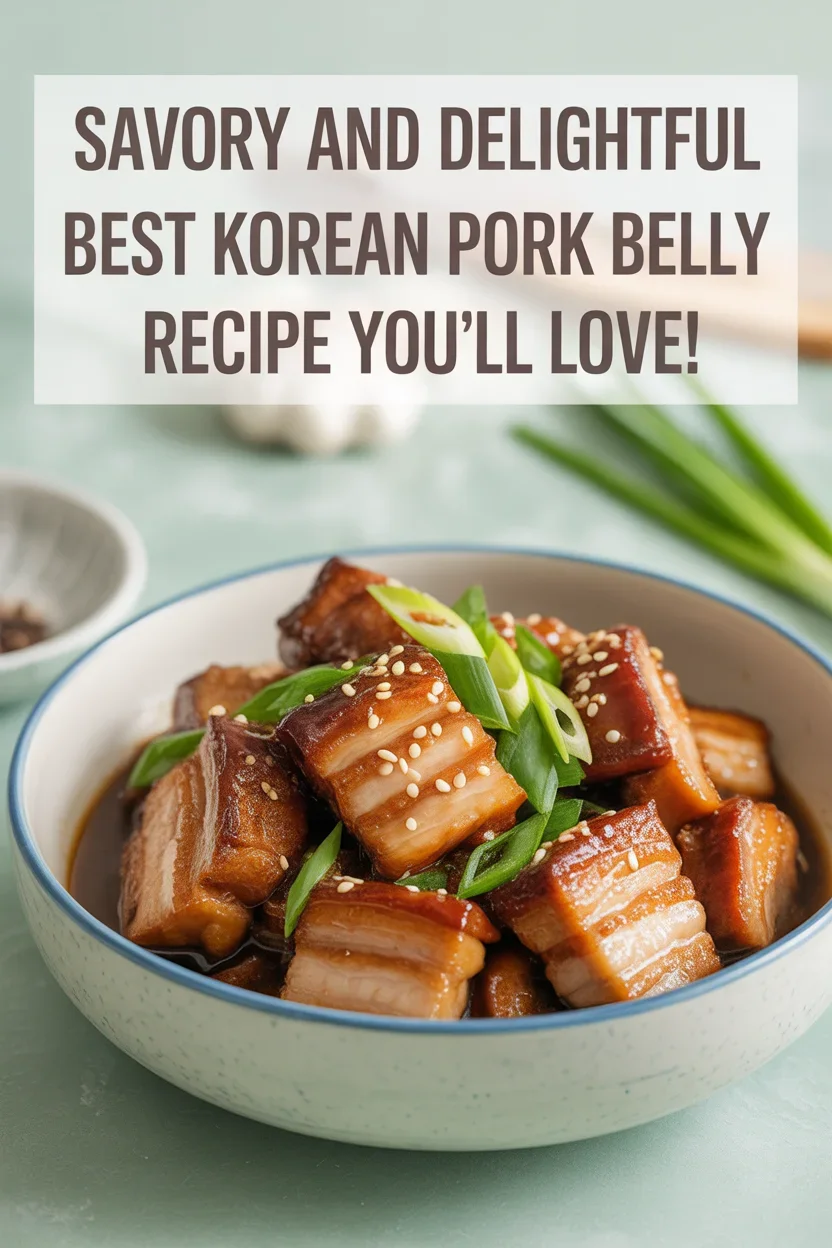
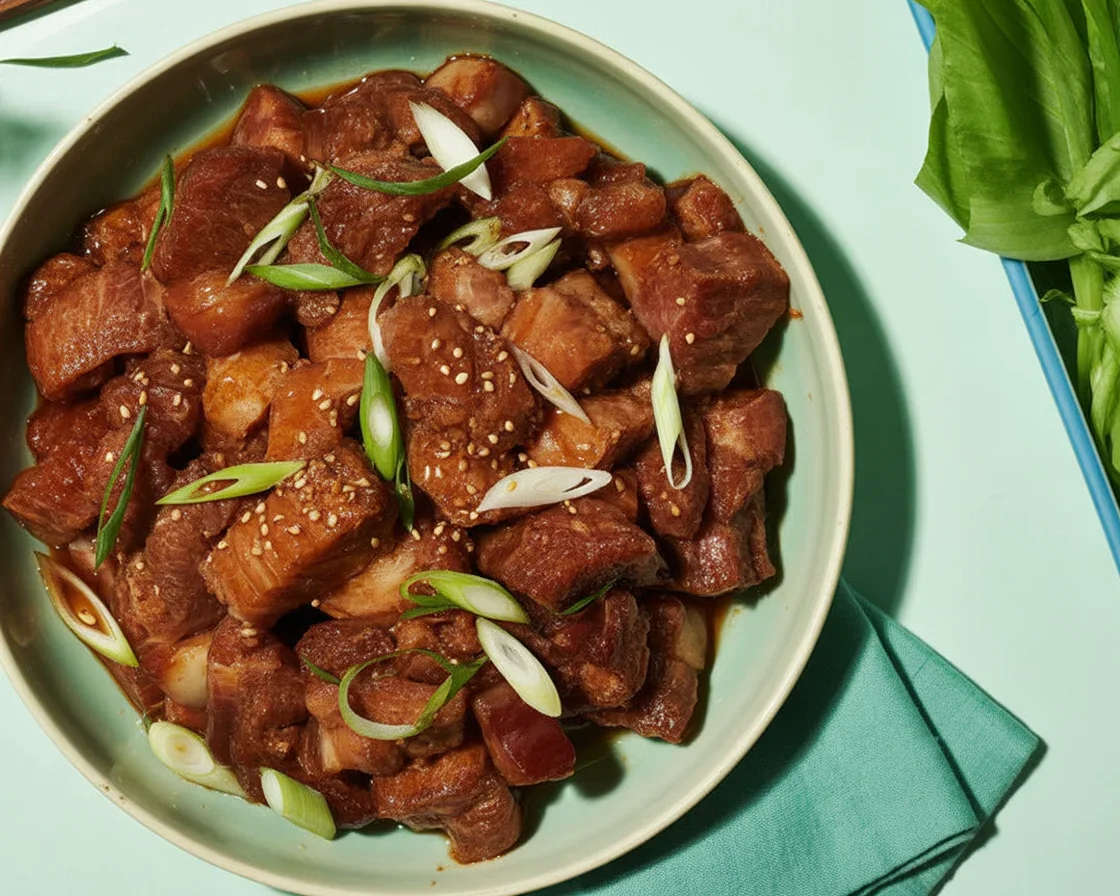
Best Korean Pork Belly Recipe fans, gather round. If you’ve ever stood at the stove wondering how to get pork belly that’s shatteringly crisp on the outside and juicy inside, you’re in the right place. I’ve been tinkering with marinades, heat levels, and pans to find a version that’s weeknight friendly but still weekend special. This is the one I make when friends come over and I want the table to go quiet for a minute because everyone is too busy munching. It’s simple, fast, and loaded with flavor. Let’s get into it.
- Ingredients You Need to Make Korean Pork Belly
- Recipe Tips
- How to Make Korean Pork Belly
- More great Pork Belly Recipes
- Traditional and Modern Asian Cooking at Home
- Common Questions
- A cozy, sizzling finish you can taste
Ingredients You Need to Make Korean Pork Belly
The Pork and Pantry Staples
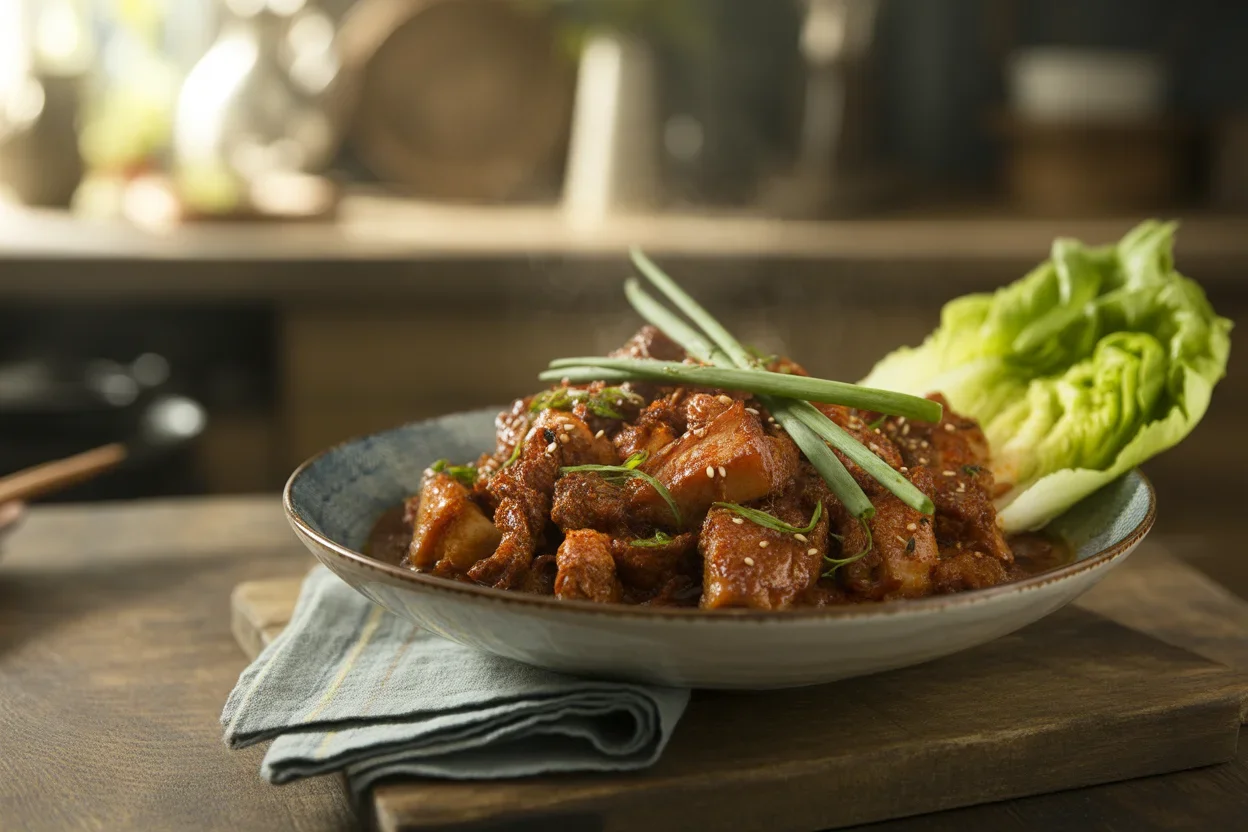
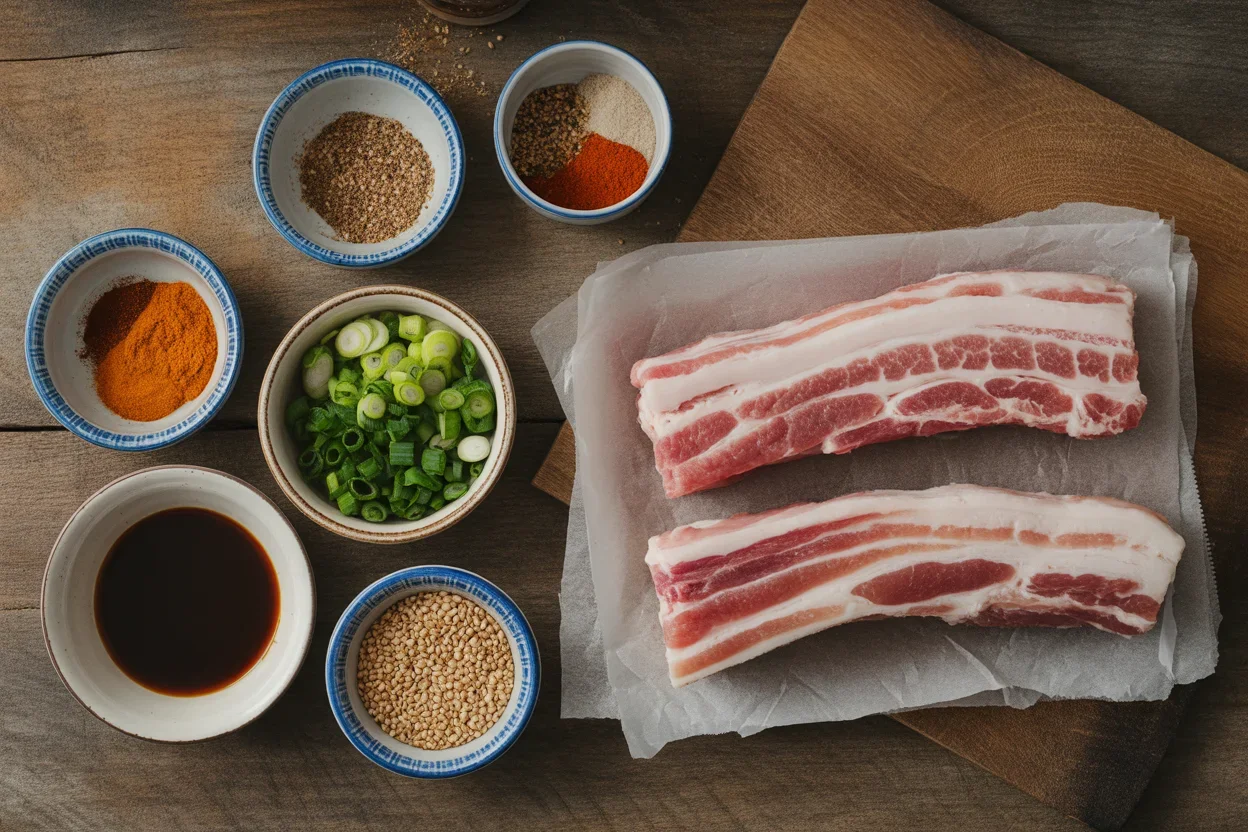
Good pork belly is the heart of this dish, and you have a couple choices. You can use thick slabs or pre-sliced belly. Pre-sliced cooks faster and crisps beautifully, while thick slabs are extra meaty. Either way, you want fresh, nicely streaked fat. Here’s everything else you’ll need for the marinade and finishing touches.
- 2 pounds pork belly, thinly sliced or cut into 1-inch strips
- 3 tablespoons gochujang (Korean chili paste)
- 2 tablespoons low sodium soy sauce
- 1 tablespoon rice vinegar
- 1 tablespoon honey or brown sugar
- 1 tablespoon toasted sesame oil
- 4 cloves garlic, finely minced
- 1 teaspoon grated fresh ginger
- 1 teaspoon gochugaru (Korean chili flakes), optional for more heat
- 1 tablespoon neutral oil for the pan
- 2 green onions, thinly sliced
- 1 teaspoon toasted sesame seeds
- Steamed rice, lettuce leaves, and quick pickles for serving
Quick Gochujang Marinade
Whisk gochujang, soy sauce, rice vinegar, honey, sesame oil, garlic, ginger, and gochugaru. It should taste bold, a little sweet, and lightly tangy. If your gochujang is very spicy, reduce the gochugaru or skip it.
Optional add-ins that play well: a splash of mirin for extra sweetness, or a teaspoon of fish sauce if you love umami. Both work with the pork’s richness.
Serving tip: a crisp veggie side makes every bite pop. If you’re already cooking with the air fryer that night, these crispy air fryer cauliflower florets bring an amazing crunch alongside pork belly.
Recipe Tips
Slicing and Searing Smarter
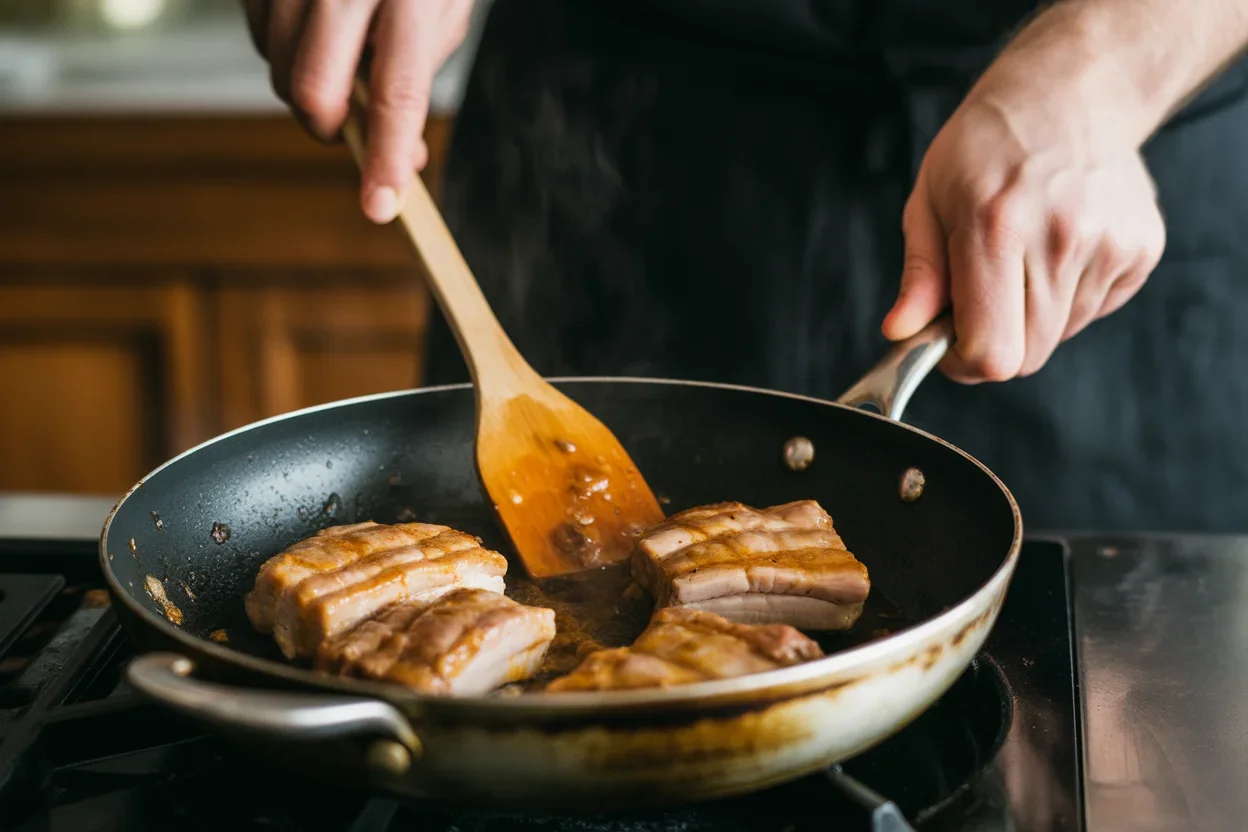
This is where a little technique takes your pan from greasy chaos to restaurant-level sizzle. First, pat the pork belly very dry before it hits the pan. Moisture is the enemy of crispiness. If you’re using thick slabs, score the fat lightly with a knife so it renders faster.
Use a heavy skillet or a flat griddle for even browning. Heat the pan over medium-high until a drop of water sizzles instantly. Add a little oil only to start the first piece. After that, you’ll have plenty of rendered fat to keep cooking. Work in batches so the pieces don’t steam.
Keep your windows open. This is a smoky dish. Worth it. Totally worth it.
Internal temp notes: pork is safe at 145°F, but pork belly enjoys extra time for texture. Aim for a deep golden crust and rendered edges. If you prefer more tender than crisp, lower the heat and cook a bit longer. For extra char, finish under the broiler for 1 to 2 minutes, watching closely.
Air fryer option for busy nights: lay marinated slices in a single layer at 400°F for 8 to 12 minutes, flipping halfway. It’s fast and clean. For more easy air fryer inspiration, try these juicy garlic butter steak bites or my go-to side, these savory air fryer mushrooms.
“I made this for my family on a weeknight and everyone went back for seconds. The pork belly was crisp with just the right glaze, and the leftovers tasted even better the next day.”
Last tip: rest the pork on a wire rack for a minute after cooking. It keeps the crust intact and avoids soggy bottoms.
How to Make Korean Pork Belly
Here’s the exact flow I use at home when I want dinner done without fuss.
- Marinate: Toss the pork belly with the gochujang mixture. Let it rest 20 to 30 minutes at room temp, or up to 8 hours in the fridge. Short marination still works because the slices are thin.
- Preheat and prep: Set a heavy skillet over medium-high heat. Crack a window and start your rice. Place a plate nearby lined with a wire rack or paper towel.
- Sear in batches: Lay pieces in a single layer. Let them sizzle without moving for 2 to 3 minutes per side, until you see a deep golden color. If the pan gets dry, add a touch of oil, but usually the pork render is enough.
- Glaze it right: When the pork is nearly done, spoon in 1 to 2 tablespoons of the marinade from the bowl to the pan to create a quick sticky glaze. It will bubble and coat the pork fast. Do this near the end so the sugars don’t burn.
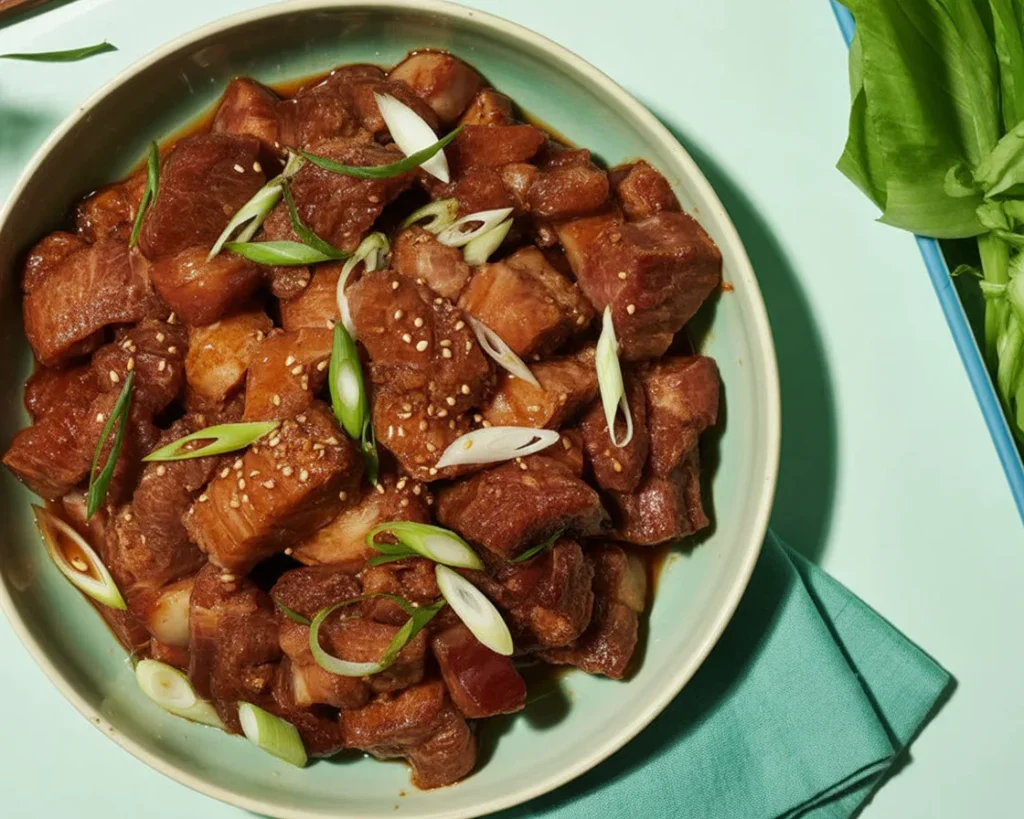
- Finish and garnish: Transfer to your rack or a plate. Sprinkle with sesame seeds and green onions. Serve with hot rice, crunchy lettuce leaves, and quick pickles.
- Broil option: Arrange cooked pork belly on a sheet pan, brush with a little extra marinade, and broil 1 to 2 minutes for extra char.
If you’re building a full rice bowl night, I love to set out rice, cucumbers, kimchi, and a quick salad. On that note, check out these satisfying Korean BBQ steak rice bowls if you want another build-your-own dinner that everyone can customize.
Leftovers store well up to 3 days in the fridge. Reheat in a hot skillet to bring back the crisp edges. Freeze uncooked marinated slices flat in a bag for a last-minute dinner later.
More great Pork Belly Recipes
Once you’ve got this method down, it’s easy to branch out. Here are a few variations I rotate through depending on the mood and what’s in my fridge.
Sweet heat: add a teaspoon of chili oil to the marinade and a squeeze of lime at the end. The lime brightens the rich pork perfectly.
Garlic lover’s version: double the garlic, reduce gochujang a touch, and finish with a drizzle of honey while the pork rests. Think glossy, garlicky bites that still carry that bold Korean flavor.
Lettuce wrap party: set out butter lettuce, sliced jalapeños, carrot sticks, and a spoonable sauce made of gochujang, mayo, and a little honey. Stack, wrap, crunch, repeat.
Rice bowl magic: build bowls with rice, sautéed greens, kimchi, and a jammy egg. If you want more quick protein ideas to mix into bowl nights, these healthy air fryer recipes are life savers on busy weeks.
Game day bites: cut pork belly into small cubes and cook until super crisp. Serve with toothpicks and a simple dipping sauce of soy, honey, and vinegar.
Traditional and Modern Asian Cooking at Home
At its core, this dish is about balance. You’ve got sweet, salty, spicy, and a bit of tang. The pork carries it all. I keep a small Korean pantry at home with gochujang, gochugaru, soy sauce, sesame oil, rice vinegar, and garlic so dishes like this are always within reach.
When I want the table to feel fresh and complete, I pair the pork belly with a simple salad or a crisp veggie side. A chilled seasonal salad brings contrast, like this bright winter salad with crunchy textures. If you prefer hot sides, try these snackable air fryer mushrooms or that crispy cauliflower I mentioned earlier. Everything plays nicely with the sweet heat of the marinade.
For friends who are new to Korean flavors, I serve the pork family style with rice, lettuce, and pickles so everyone can build their perfect bite. It turns dinner into a casual, hands-on experience that always gets people talking.
Korean Pork Belly
Ingredients
Method
- Marinate: Toss the pork belly with the gochujang mixture. Let it rest 20 to 30 minutes at room temp, or up to 8 hours in the fridge.
- Preheat and prep: Set a heavy skillet over medium-high heat. Crack a window and start your rice. Place a plate nearby lined with a wire rack or paper towel.
- Sear in batches: Lay pieces in a single layer in the skillet. Let them sizzle without moving for 2 to 3 minutes per side, until you see a deep golden color.
- Glaze it right: When the pork is nearly done, spoon in 1 to 2 tablespoons of the marinade from the bowl to the pan to create a quick sticky glaze.
- Finish and garnish: Transfer to your rack or a plate. Sprinkle with sesame seeds and green onions. Serve with hot rice, crunchy lettuce leaves, and quick pickles.
- Broil option: Arrange cooked pork belly on a sheet pan, brush with a little extra marinade, and broil for 1 to 2 minutes for extra char.
Notes
A cozy, sizzling finish you can taste
This is the Best Korean Pork Belly Recipe I keep coming back to because it’s simple, consistent, and wildly tasty. Crisp edges, sticky glaze, and tender bites that pair with almost anything. If you want extra ideas and techniques, I’ve also enjoyed the stir-fry style in this spicy Korean pork belly recipe, the pan-seared approach from Pinch and Swirl, the quick pan-fry from Spice the Plate, bite-size party pieces from Lord Byron’s Kitchen, and an easy oven method from Kimchimari. Give this a try, set out some crunchy sides, and let everyone build their favorite bite. I can’t wait to hear how your kitchen smells and how fast the plate disappears.
Common Questions
Do I have to marinate the pork belly?
No, but even a 20 minute rest improves flavor and helps the glaze cling. Overnight builds deeper taste.
What’s the best pan to use?
A heavy skillet like cast iron or a griddle. They hold heat well and give you that even sear you want.
Can I bake it instead?
Yes. Arrange slices on a rack over a sheet pan at 425°F for 18 to 25 minutes, flipping once. Brush on extra marinade near the end and broil briefly for caramelized edges.
How do I keep it from getting greasy?
Cook in batches, render fat slowly at first, and rest the pieces on a wire rack. A splash of rice vinegar at the end can also cut richness.
What should I serve with it?
Rice, lettuce leaves, kimchi, cucumber salad, and quick pickles are classic. If you want something different, a light salad or roasted veggies round it out.